
If you’ve noticed your joint pain getting worse, your energy plummeting, or your autoimmune symptoms flaring up as you approach or go through menopause, you’re not alone—and you’re definitely not imagining it. There’s a powerful connection between hormonal changes and autoimmune disease that’s finally getting the attention it deserves, thanks in part to experts like Dr. Mirela Titianu.
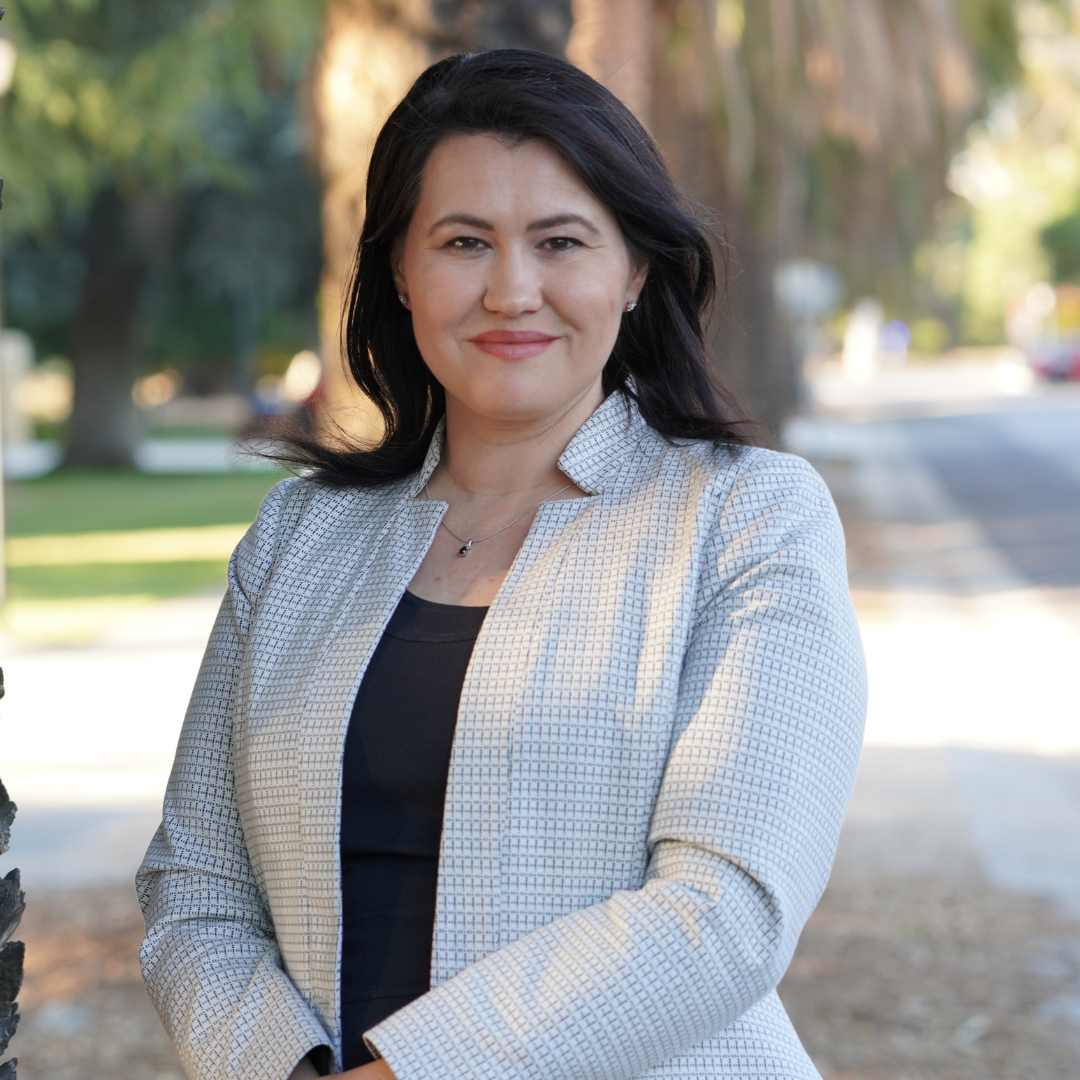
Recently, Dr. Titianu, our valued partner at Rheumatologist OnCall, was featured on NBC News in the “Five on 5” interview series, where she discussed a topic that affects millions of women but is still rarely talked about in doctors’ offices: the complex relationship between menopause, perimenopause, and autoimmune diseases. As a Menopause Society Certified Practitioner who is also board-certified in internal medicine, obesity medicine, and lifestyle medicine, Dr. Titianu brings a unique, comprehensive perspective to women navigating these overlapping health challenges.
We’re incredibly fortunate to have Dr. Titianu as our partner, and she’s now seeing patients in Florida, Oregon, and California through our telehealth platform.
The Hidden Connection Most Doctors Don’t Talk About
Here’s what catches most women off guard: menopause isn’t just about hot flashes, night sweats, and mood swings. The hormonal shifts happening in your body during this transition can actually trigger new autoimmune conditions or make existing ones significantly worse.
Think of it this way—for decades, your body has been producing estrogen, and this hormone has been doing far more than regulating your menstrual cycle. Estrogen plays a critical role in keeping your immune system balanced, protecting your joints and cartilage from breakdown, maintaining bone strength, and even reducing inflammation throughout your body. When estrogen levels drop during menopause, your immune system can lose that regulatory support, becoming overactive and more prone to attacking your own tissues.
This is why so many women with rheumatoid arthritis, lupus, Sjögren’s syndrome, or psoriatic arthritis notice their symptoms intensifying right around the time menopause begins. It’s not a coincidence—it’s your body responding to a fundamental shift in hormonal balance.
What Dr. Titianu Shared on NBC News
In her NBC News interview with anchor Andrea Boyd, Dr. Titianu provided crucial insights into menopause and perimenopause that every woman should know.
Menopause and Joint Pain: What’s Really Happening in Your Body
If you’re experiencing increased joint pain during menopause, you’re in good company. Research shows this is one of the most common—and most distressing—symptoms women face during this transition.
Why Menopause Causes Joint Pain
When estrogen levels decline, several things happen simultaneously in your joints:
- Increased inflammation: Estrogen has natural anti-inflammatory properties. Without adequate levels, inflammatory markers throughout your body can rise, leading to more pain and swelling in your joints.
- Cartilage breakdown: Estrogen helps maintain the health and integrity of cartilage—the cushioning tissue between your bones. As estrogen drops, cartilage can degrade more quickly, leading to pain and stiffness.
- Bone loss acceleration: The drop in estrogen during menopause accelerates bone loss, which can contribute to joint pain and increase your risk for osteoporosis.
- Fluid retention changes: Hormonal fluctuations can cause fluid retention in and around joints, leading to swelling and discomfort.
For women who already have an autoimmune condition affecting their joints—like rheumatoid arthritis or psoriatic arthritis—these changes can feel overwhelming. You might notice that joints that were previously well-controlled suddenly become painful and stiff, even when you’re adhering to your treatment plan.
What makes Dr. Titianu’s perspective so valuable is her deep understanding of how menopause intersects with autoimmune disease, obesity, and inflammation—areas where most physicians lack specialized training. This is exactly why we created the Women’s Hormone and Autoimmune Balance Program at Rheumatologist OnCall, with Dr. Titianu leading this essential initiative.
Understanding the Link Between Menopause and Autoimmune Diseases
The connection between menopause and autoimmune disease is more than theoretical—it’s backed by substantial research that’s reshaping how we think about women’s health.
The Research Is Clear
A comprehensive 2024-2025 review published in BMC Rheumatology, which analyzed data from 11 large studies worldwide, found some striking patterns:
- Women who experience menopause before age 45 have nearly 3 times the risk of developing rheumatoid arthritis compared to women who go through menopause at a typical age
- After menopause, women’s overall risk of RA increases by approximately 35%
- The risk is highest for “seronegative” RA—the type where standard blood tests don’t show typical antibodies, often making it harder to diagnose
Different Autoimmune Diseases, Different Patterns
The relationship between menopause and autoimmune disease isn’t identical across all conditions. Here’s what research shows for specific diseases:
Rheumatoid Arthritis: Early menopause significantly increases risk, particularly for seronegative RA. Women often experience more frequent flares and increased disease activity after menopause. The longer your lifetime exposure to estrogen (late menopause, extended reproductive years), the more protected you are.
Sjögren’s Syndrome: Most women develop this condition right around the time of menopause. Women with less cumulative estrogen exposure face the highest risk. Symptoms—particularly dryness of the eyes, mouth, and vagina—often become more severe during and after the menopausal transition.
Lupus (Systemic Lupus Erythematosus): The pattern here is more complex. While some women actually see their lupus symptoms calm down after menopause, there’s still a higher long-term risk for complications like cardiovascular disease and osteoporosis. Early menopause can mean earlier disease onset and a greater chance of serious complications.
Psoriatic Arthritis: Early menopause increases risk, while late menopause (with more years of estrogen protection) appears to lower it. Women with this condition may notice worsening skin symptoms alongside joint symptoms during the menopausal transition.
Does Menopause Make Existing Autoimmune Disease Worse?
For many women, the answer is yes—at least for certain conditions.
Women with rheumatoid arthritis often experience more flare-ups, increased joint pain and swelling, and greater disease activity after menopause. Those with Sjögren’s disease frequently report a severe increase in dryness symptoms, particularly vaginal dryness, which can significantly impact quality of life.
Interestingly, women with lupus may be less dramatically affected. While some experience milder lupus symptoms after menopause, the trade-off is an elevated risk for cardiovascular disease and bone loss later on.
The impact on psoriatic arthritis is still being studied, but we know that earlier or shorter estrogen exposure makes the disease more likely to develop. The jury’s still out on exactly how menopause affects symptoms in women who already have this condition.
The HRT Question: What Women With Autoimmune Diseases Need to Know
This is where things get complicated—and where having a specialist like Dr. Titianu makes all the difference.
Not All HRT Is Created Equal
When we talk about hormone replacement therapy (HRT), we’re actually talking about several very different types of treatment:
- Systemic estrogen (oral or patch): Delivered throughout your entire body
- Combined estrogen-progestin therapy: Used for women who still have their uterus
- Topical vaginal estrogen: Low-dose, locally acting preparations
- Bioidentical hormones: Structurally identical to hormones your body produces
The type of HRT, the dose, how long you use it, and when you start it all matter enormously—especially when you have an autoimmune disease.
The Conflicting Research on HRT and Autoimmune Disease Risk
Recent studies have shown seemingly contradictory findings, which understandably leaves women confused and concerned.
The Concerning Findings:
A large 2025 study following nearly 1.8 million women found that those using systemic HRT had a 27-29% higher chance of developing certain autoimmune diseases compared to non-users. This study was presented at The Menopause Society’s 2025 Annual Meeting and received significant attention.
However—and this is crucial—this was an observational study. It shows an association, not proof that HRT causes autoimmune disease. The absolute increase in risk remains relatively small, and the study couldn’t account for many confounding factors.
The Protective Findings:
Other research paints a different picture. A 2025 Canadian study found that women who started systemic HRT after age 50 and used it for eight or more years actually had about an 80% lower risk of developing rheumatoid arthritis compared to women who went through early menopause and never used HRT.
This suggests that longer lifetime estrogen exposure—whether natural or through HRT—may protect against RA.
Understanding the Key Distinctions
So how do we make sense of these contradictory findings? It comes down to several critical factors:
Timing Matters: Starting HRT closer to menopause (within the “window of opportunity”—typically within 10 years) appears to be safer and potentially protective. Starting much later may carry different risks.
Type of HRT Matters Enormously: This is where many general discussions of HRT go wrong. Topical vaginal estrogen—the low-dose preparations used directly in the vaginal area—works very differently from systemic HRT.
Low-dose topical vaginal estrogen:
- Produces minimal absorption into the bloodstream
- Has NOT been shown to increase cardiovascular disease or cancer risk in large studies
- Does NOT appear to increase autoimmune disease risk
- Can be incredibly helpful for vaginal dryness—a particularly severe symptom for women with Sjögren’s syndrome
Current research simply does not support an increased risk of developing autoimmune diseases with topical vaginal estrogen alone, though we need more studies specifically addressing this question.
Individual Risk Factors Matter Most: This cannot be overstated. Your decision about HRT should be based on:
- Your specific autoimmune diagnosis (RA? Lupus? Sjögren’s? Psoriatic arthritis?)
- Your current disease activity and how well-controlled it is
- Your risk for blood clots (which some autoimmune diseases and treatments increase)
- Whether you have active organ involvement from your autoimmune disease
- Your age and how long it’s been since menopause started
- Your personal and family history of cancer, cardiovascular disease, and osteoporosis
Does HRT Make Existing Autoimmune Disease Worse?
Here’s some genuinely good news: current evidence suggests that HRT does not typically make established rheumatoid arthritis or Sjögren’s disease worse.
However, “typically” is the key word here. Every woman’s situation is unique, and the decision to use HRT requires careful consideration of your complete health picture—which is exactly what Dr. Titianu specializes in.
Why Dr. Titianu’s Expertise Is So Valuable
What sets Dr. Titianu apart is her unique combination of certifications and real-world experience. She’s not just a menopause specialist—she’s board-certified in internal medicine, obesity medicine, and lifestyle medicine, and she’s a certified nutrition coach. This comprehensive training allows her to see the full picture of how menopause, weight, inflammation, and autoimmune disease intersect.
Her Personal Journey Matters
Dr. Titianu’s path to becoming a menopause and women’s health specialist is deeply personal. After losing her father in an accident in Romania, she saw firsthand how compassionate, skilled medical care could transform patients’ lives. She immigrated to Canada in 2005 with her husband, rebuilt her medical career from the ground up, and worked as a paramedic while studying for U.S. licensing exams.
During her Internal Medicine residency at Wayne State University in Detroit, she began noticing a troubling pattern: countless women in their 40s, 50s, and beyond were struggling with joint pain, brain fog, fatigue, and autoimmune flares that intensified during menopause. Many thought these symptoms were “just menopause” or “just arthritis,” when in reality, changing hormones were intensifying inflammation and affecting their immune systems.
For women with autoimmune conditions like rheumatoid arthritis, lupus, or Sjögren’s, hormonal shifts can be a tipping point—worsening flares, triggering new symptoms, and making existing treatments less effective.
This realization led Dr. Titianu to pursue additional certifications in obesity medicine, lifestyle medicine, nutrition coaching, and menopause care. Her collaboration with Dr. Diana Girnita resulted in the creation of the OASIS Program at Rheumatologist OnCall, which specifically addresses the inflammatory link between hormones, obesity, autoimmune disease, and menopause.
What Makes Her Approach Different
Dr. Titianu doesn’t just prescribe hormone therapy and send you on your way. She takes a comprehensive approach that includes:
- Thorough evaluation to distinguish perimenopause and menopause symptoms from thyroid and other autoimmune issues
- Personalized, physician-led care with expert guidance on FDA-approved hormone replacement therapy
- Tailored non-hormonal treatment options when HRT isn’t appropriate
- Safe symptom management that considers your autoimmune condition and all medications you’re taking
- Proactive screening and monitoring for long-term health—protecting bone, brain, and heart health
- Integration with your rheumatology care team to ensure all treatments work together safely
The patients who’ve worked with Dr. Titianu consistently report the same themes: “I’m sleeping again.” “My pain is finally under control.” “I feel like myself for the first time in years.”
That’s the power of having a physician who truly understands the menopause-inflammation-autoimmune connection.
Can Longer Estrogen Exposure Protect Against Rheumatoid Arthritis?
The answer, according to recent research, appears to be yes—at least for many women.
A 2025 Canadian study followed thousands of women for more than 10 years to track who developed RA. The findings were striking:
Women who went through menopause after age 50, or who had used hormone replacement therapy for eight years or more, had approximately an 80% lower risk of getting RA compared to women who went through menopause before age 44 and never used HRT.
The key takeaway? The longer your body has estrogen—from your first period through menopause, and potentially through HRT—the better protected your joints appear to be. More years of estrogen exposure seem to be protective for joint health, not harmful.
This research challenges some of the fear-mongering around HRT and supports the idea that for the right women, at the right time, HRT can be protective rather than risky.
Practical Steps: What You Can Do Right Now
If you’re navigating menopause with an autoimmune condition—or you’re approaching menopause and worried about your risk—here are concrete steps you can take:
1. Find a Menopause-Certified Specialist Who Understands Autoimmune Disease
Not all doctors are created equal when it comes to this specialized area. You need someone who:
- Is certified in menopause care (like Dr. Titianu’s certification from The Menopause Society)
- Understands autoimmune diseases and their treatments
- Can coordinate with your rheumatologist
- Takes an individualized approach rather than a one-size-fits-all strategy
2. Get the Right Testing
If you’re experiencing new or worsening symptoms, ask for comprehensive testing:
- Sex hormone levels (estrogen, progesterone, testosterone)
- Thyroid function tests and thyroid antibodies
- Inflammatory markers (CRP, ESR)
- Autoimmune antibodies if you haven’t been tested
- Bone density scan (DEXA) to assess osteoporosis risk
- Vitamin D levels (crucial for both bone health and immune function)
3. Consider Lifestyle Interventions
While hormones matter enormously, lifestyle factors can significantly impact your symptoms:
Nutrition: An anti-inflammatory diet rich in omega-3 fatty acids, colorful vegetables, and whole foods can help reduce inflammation. Many women with autoimmune diseases benefit from working with a nutritionist to identify food sensitivities.
Exercise: Regular physical activity helps maintain joint flexibility, builds bone strength, and reduces inflammation. Even 20-30 minutes of daily movement makes a difference.
Stress Management: Chronic stress worsens both menopause symptoms and autoimmune disease activity. Practices like meditation, yoga, deep breathing, or simply spending time in nature can help.
Sleep: Both menopause and autoimmune disease can disrupt sleep, creating a vicious cycle. Prioritize sleep hygiene and discuss sleep issues with your doctor.
Supplements: Under medical guidance, certain supplements may help:
- Omega-3 fatty acids (EPA/DHA) for inflammation
- Vitamin D for immune regulation and bone health
- Magnesium for sleep, muscle relaxation, and bone health
- Curcumin for anti-inflammatory effects
- B vitamins for energy and nervous system support
4. Don’t Suffer in Silence
One of the biggest mistakes women make is assuming their worsening symptoms are “just part of getting older” or “just menopause.” If your quality of life is suffering, speak up. There are real, evidence-based treatments available—you just need the right physician to guide you.
The Women’s Hormone and Autoimmune Balance Program
At Rheumatologist OnCall, we created a specialized program specifically for women facing the intersection of menopause and autoimmune disease. Led by Dr. Titianu, the Women’s Hormone and Autoimmune Balance Program focuses on:
- Reducing inflammation throughout your body
- Balancing hormones safely with FDA-approved therapy when appropriate
- Improving joint health and autoimmune stability
- Achieving healthy, sustainable weight loss (since obesity increases inflammation)
- Supporting sleep, mood, and cognitive health during the menopausal transition
The program takes a comprehensive approach, addressing:
- Hormone optimization (when safe and appropriate)
- Lifestyle medicine interventions
- Nutritional strategies
- Weight management
- Coordination with your existing rheumatology care
Dr. Titianu serves patients in Florida, Oregon, and California through our telehealth platform, making specialized care accessible no matter where you live in these states.

Final Thoughts: You Deserve Specialized Care
The intersection of menopause and autoimmune disease is complex, nuanced, and deeply personal. There’s no one-size-fits-all approach, and the stakes are high—we’re talking about your quality of life, your long-term health, and your ability to thrive during a major life transition.
The good news is that we’re finally recognizing how important this issue is. Physicians like Dr. Titianu are bringing much-needed expertise to women who’ve been told to “just deal with it” or who’ve received contradictory advice about hormone therapy.
If you’re navigating menopause with an autoimmune condition, or if you’re worried about your risk as you approach this transition, know that you don’t have to figure it out alone. Expert, compassionate, evidence-based care is available.
Dr. Titianu and the entire team at Rheumatologist OnCall are here to help you balance your hormones, calm inflammation, protect your joints, and reclaim the vibrant, energized life you deserve.
Ready to take the next step? Connect with us to learn more about the Women’s Hormone and Autoimmune Balance Program and find out if working with Dr. Titianu is right for you.
References
- Ma K, Kwok M-K, et al. Age at menarche, age at natural menopause, and risk of rheumatoid arthritis: a systematic review and meta-analysis. BMC Rheumatology. 2024.
- Alpízar-Rodríguez D, Pluchino N, Canny G, Gabay C, Finckh A. The role of female hormonal factors in the development of rheumatoid arthritis. Rheumatology (Oxford). 2017
- Syed A, Jiang XD. Association of Hormone Therapy with Autoimmune Disease Risk in Postmenopausal Women: A TriNetX-Based Analysis. The Menopause Society’s 2025 Annual Meeting. October 21–25, 2025.
- Mikkola TS, Tuomikoski P, Lyytinen H, et al. Estradiol-based postmenopausal hormone therapy and risk of cardiovascular and all-cause mortality. Menopause. 2015
- Schmidt M, Søndergaard BC, et al. Androgen conversion in osteoarthritis and rheumatoid arthritis synoviocytes—androstenedione and testosterone inhibit estrogen formation and favor production of more potent 5α-reduced androgens. Arthritis Res Ther. 2005.
- FDA removes boxed warning on certain estrogen products. NBC News. November 10, 2025.
- Siegel CH. How Does Menopause Impact Your Autoimmune Disease? Hospital for Special Surgery. October 28, 2025
- Rheumatologist OnCall. Women’s Hormone and Autoimmune Balance Program. https://rheumatologistoncall.com/womens-hormone-autoimmune-balance-program/
- Rheumatologist OnCall. Menopause, HRT and Autoimmune Disease: What All Women Need To Know. November 10, 2025.
- Dr. Mirela Titianu. Five on 5 Interview. KOBI-TV NBC5/KOTI-TV NBC2. February 2026.
Authors: Dr. Diana Girnita, MD, PhD and Dr. Mirela Titianu, MD
Rheumatologist OnCall®
Author
Frequent asked questions
Does menopause cause rheumatoid arthritis, or just make it worse?
Menopause doesn't directly "cause" RA, but the hormonal changes make your immune system more likely to attack your joints if you're already genetically predisposed. Many women first notice RA symptoms right after menopause begins. Research also shows that early menopause (before age 45) nearly triples your risk of developing RA.
Is early menopause always problematic?
If your periods stop before age 45, your risk for rheumatoid arthritis and other autoimmune diseases rises significantly. This is because you have fewer years of estrogen exposure, which normally helps protect your immune system and joints. Longer reproductive years with higher estrogen levels are generally protective.
Can menopause trigger autoimmune flares?
Yes, absolutely. The drop in estrogen during menopause can trigger immune system dysregulation, leading to increased inflammation and more frequent flares of conditions like rheumatoid arthritis, Sjögren's syndrome, and lupus. Many women report their symptoms worsening right around the menopausal transition.
Is HRT safe if I have rheumatoid arthritis or another autoimmune disease?
The answer depends entirely on your individual situation. Most recent studies suggcaindividualizedcantafe and can even be protective, especially for women who lost estrogen early. However, HRT isn't appropriate for everyone. If you have certain caindividualizedcant blood clot risks, uncontrolled lupus with organ involvement, or are over age 60 starting HRT for the first time, you need an extremely careful, individualized plan. This is why working with a menopause specialist who understands autoimmune disease is crucial.
What's the difference between systemic HRT and topical estrogen?
Systemic HRT (pills or patches) delivers hormones throughout your entire body via your bloodstream. Topical vaginal estrogen is applied locally and proshowcanSjögren'shelpfulabsorption. Low-dose topical vaginal estrogen has NOT been showcanSjögren'shelpful for cardiovascular disease, cancer, or autoimmune disease and canSjögren'shelpful for vaginal dryness—a particularly severe symptom for women with Sjögren's syndrome.
I have RA and my joints have gotten worse since menopause. What can help?
Talk to both your rheumatologist and a menopause specialist about a comprehensive plan. This may include adjusting your RA medications, adding bone-protective medications, physical therapy, supplements, and possibly HRT if appropriate for your situation. Protecting bone health is absolutely critical—RA, menopause, and corticosteroids all raise fracture risk.
How can I lower my risk for RA after menopause?
While you can't completely eliminate genetic risk, you can take steps to reduce it:
Regular exercise (especially weight-bearing and resistance training)
Maintain a healthy weight
Don't smoke (smoking significantly increases RA risk)
Eat an anti-inflammatory, Mediterranean-style diet
Treat sleep problems and manage chronic stress
Discuss HRT with a specialist if appropriate for you
Get early diagnosis and treatment if symptoms develop—this can slow or even stop joint damage
What's the best time to talk to my doctor about menopause and autoimmune disease?
The best time is NOW if you're approaching menopause and have joint pain, a family history of autoimmune disease, or went through menopause early. Prevention and early intervention make a huge difference. Don't wait until you're suffering to seek help.
Can I use HRT if I'm taking immunosuppressive medications for my autoimmune disease?
Possibly, but this requires very careful consideration and coordination between your rheumatologist and menopause specialist.individualizedions are perfectly safe,individualizedeequire closer monitoring. This is one of the many reasons why individualizedem physicians who understand both areas is so important.
Does menopause make all autoimmune diseases worse?
No, the pattern varies by disease. Rheumatoid arthritis and Sjögren's syndrome often worsen during and after menopause. Lupus symptoms may actually calm down in some women after menopause, though long-term risks for cardiovascular disease and osteoporosis remain elevated. Psoriatic arthritis is still being studied. Your individual experience depends on your specific disease, its activity level, and your overall health.
I'm scared of bone loss—is it really that serious?
Yes, bone loss during menopause is a genuine health concern, especially for women with autoimmune diseases. Both menopause and conditions like rheumatoid arthritis cause accelerated bone loss, and many autoimmune treatments (particularly corticosteroids) further weaken bones. Taking calcium and vitamin D, staying physically active, and sometimes using bone-protective medications is essential. Your doctor should monitor your bone density with DEXA scans.
If I'm already past menopause, is it too late to do anything?
It's absolutely never too late to protect your joints and bones or prevent your disease from progressing further. While early intervention is ideal, women at any stage can benefit from informed, comprehensive care that addresses hormone balance, inflammation, nutrition, exercise, and bone health.
What are the signs that my autoimmune symptoms are worsening due to menopause?
Common signs include:
Increased joint pain, stiffness, or swelling
More frequent flares despite stable treatment
Worsening fatigue and brain fog
New or intensified dry eyes, dry mouth, or vaginal dryness
Mood changes or depression
Sleep disturbances
Muscle aches and weakness
If you notice these changes coinciding with irregular periods or other menopause symptoms, discuss the connection with your healthcare providers.
How do I know if I need a menopause specialist vs. just my regular doctor?
You should strongly consider seeing a menopause specialist if:
You have an autoimmune disease (especially RA, lupus, Sjögren's, or psoriatic arthritis)
You're taking immunosuppressive medications
Your symptoms are significantly impacting your quality of life
Your regular doctor dismisses your concerns or offers only limited options
You're confused about whether HRT is safe for you
You want comprehensive care that addresses hormones, weight, inflammation, and lifestyle factors together
Menopause Society Certified Practitioners like Dr. Titianu have specialized training that most general practitioners and even many gynecologists don't have.