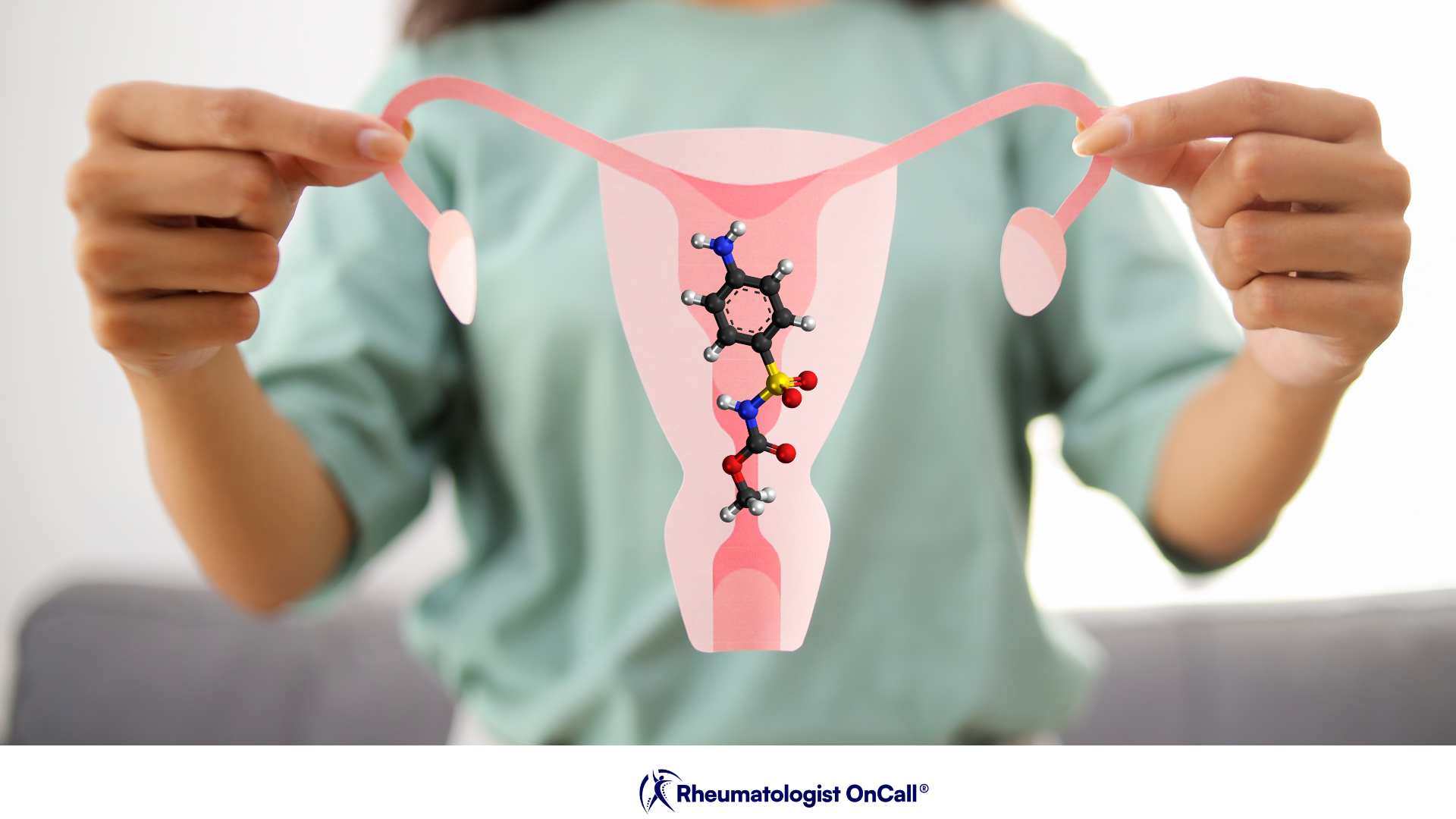
For decades, hormone replacement therapy (HRT)—including vaginal estrogen—has been a source of debate among women’s health experts. Many women, especially those with autoimmune diseases, struggled with symptoms like vaginal dryness, pain, itching, burning, and recurrent urinary tract infections (UTIs), but were unable to access effective therapies due to a long-standing FDA black box warning. These warnings, rooted in historic research, cast doubt on the safety of all estrogen therapies—even those used locally—leading clinicians and patients to avoid life-changing treatments out of fear rather than evidence.
However, science continually evolves. On November 10, 2025, the FDA announced the removal of the black box warning for FDA-approved vaginal estrogen therapies, signaling a new era of menopause and autoimmune disease care. This blog explores what this means for women living with autoimmune conditions, why vaginal estrogen finally earned its safe status, and the personalized options available for symptom relief.
The FDA Black Box Warning: How History Shaped Today’s Menopause Care
The FDA black box warning originated from a landmark study over twenty years ago, which linked systemic oral HRT to an increased risk of breast cancer, heart disease, and blood clots. Intended to protect women, the warning was applied to all estrogen-based therapies—regardless of their route, dose, or delivery method. This included low-dose vaginal estrogen creams, rings, and tablets, even though these medications have minimal systemic absorption and do not affect hormone levels outside the local tissues.
As a result, many women—especially those at higher risk due to autoimmune diseases, heart disease, or previous breast cancer—were denied relief from the symptoms of genitourinary syndrome of menopause (GSM). This included years of discomfort, sexual pain, low libido, and recurrent urinary issues. The warning created a stigma that left vaginal estrogen underused and misunderstood, with clinicians wary to prescribe and women hesitant to ask for help.
FDA Policy Change: What Happened in 2025?
After decades of advocacy and new research, the FDA finally acknowledged the difference between systemic and local hormone therapies. The removal of the black box for vaginal estrogen is based on evidence demonstrating that low-dose vaginal estrogen:
- Does not increase the risk of breast cancer, endometrial cancer, blood clots, stroke, or heart attack for postmenopausal women—even for those with autoimmune diseases or a prior cancer history.
- It is safe for most women, with exceptions only for those with untreated estrogen-dependent malignancy, rare uterine sarcoma, or hypersensitivity.
- It may be used indefinitely for GSM, supporting lifelong relief as symptoms often persist for decades.
- Represents a major culture shift in menopause care, focusing on individualized, evidence-based treatment.
Read the full transcript of the FDA’s announcement here for additional background.
What Is Vaginal Estrogen
Vaginal estrogen is a local therapy, distinct from standard systemic HRT. It is delivered directly into the vagina via a cream (Estrace), tablet (Vagifem, Yuvafem, Imvexxy), ring (Estring), or other insert (Intrarosa). By working locally, it rebuilds and moisturizes vulvovaginal tissues, often with minimal systemic absorption. This therapy is specifically designed to:
- Treat vaginal dryness, itching, and burning
- Ease painful intercourse (dyspareunia)
- Reduce pain or burning with urination
- Prevent recurrent urinary tract infections
- Improve urinary urgency, frequency, or incontinence
- Increase vaginal lubrication and sexual arousal
Unlike systemic HRT, which can affect hormone levels throughout the body, local vaginal estrogen therapies act primarily at the site of administration. Most patients experience robust improvement in GSM symptoms with consistent use.
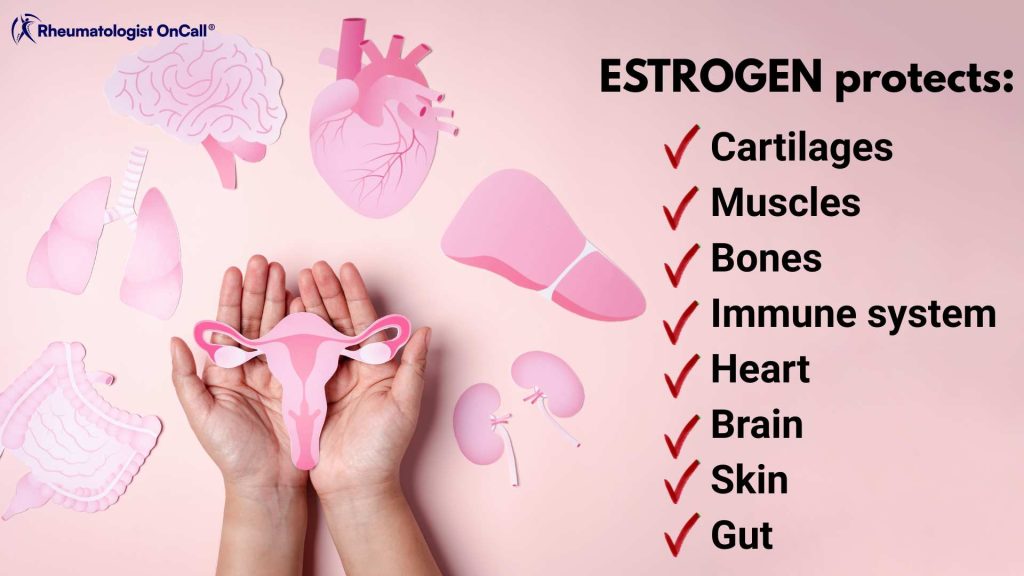
Effects of Estrogen in the women’s body
Why Is Vaginal Estrogen Critical for Autoimmune Diseases?
Women with autoimmune diseases like rheumatoid arthritis (RA) and Sjögren’s syndrome are uniquely vulnerable to severe genitourinary symptoms—even before menopause.
- Sjögren’s syndrome damages moisture-producing glands across the body, including vaginal and salivary glands, leading to intense dryness, pain, and susceptibility to infection.
- Rheumatoid arthritis accelerates tissue and bone loss—making vaginal atrophy, pain, and UTIs much more likely and severe.
- Chronic gland inflammation causes vaginal and urinary symptoms that are often refractory to over-the-counter lubricants and non-hormonal options.
For patients in our practice, the burden of these symptoms is profound—ranging from daily discomfort and sexual pain, to recurrent UTIs and decreased quality of life.
Vaginal Estrogen for Autoimmune Disease Symptoms
Women with Rheumatoid arthritis (RA) and Sjögren’s Disease are uniquely vulnerable to severe GSM. Sjögren’s damages moisture-producing glands (vaginal, salivary, ocular), while RA accelerates tissue and bone loss—making vaginal dryness, atrophy, pain, and UTIs much more likely and severe, even before menopause.
Here are 5 reasons to use vaginal estrogen
1. Repairs Vaginal Tissue and Relieves Pain
Multiple clinical studies and leading organizations like the North American Menopause Society endorse vaginal estrogen for effective relief. By restoring moisture and tissue flexibility, these therapies dramatically ease pain during intercourse, irritation, and everyday activities.
2. Prevents Recurrent Urinary Tract Infections
Women with RA and Sjögren’s face significantly higher rates of recurrent UTIs. Vaginal estrogen normalizes pH, supports the microbiome, and reduces urinary symptoms—often succeeding where non-hormonal treatments fail.
3. Does Not Cause Autoimmune Flares or Immune Activation
Unlike systemic oral or patch HRT, local vaginal/topical estrogen does not increase systemic hormone levels or trigger immune responses. Cohort studies confirm no increase in disease flares in RA, Sjögren’s, SLE, or other autoimmune conditions—even for those taking immunosuppressive medication.
4. Proven Safety for Cancer Survivors
A large prospective trial in the Nurses’ Health Study found no increased risk of cardiovascular disease, breast, ovarian, endometrial, or colorectal cancer in women using low-dose vaginal estrogen—regardless of cancer history, with longer-term follow-up showing maintained safety.
5. Enhances Sexual Function and Quality of Life
Vaginal estrogen therapy is associated with improved sexual function, lubrication, and arousal—making intimacy comfortable and attainable for menopausal women and those with autoimmune conditions.
Vaginal Estrogen: Dosage, Safety, and Contraindications
Common Vaginal Estrogen Options:
- Vaginal DHEA Insert (Prasterone, Intrarosa): 6.5 mg nightly. DHEA converts to estrogen/testosterone and helps with vestibular pain. Does not contain estradiol.
- Vaginal Ring (Estradiol 2 mg, Estring): Insert into the vagina, replace every 3 months.
- Vaginal Estradiol Tablet (10 mcg, Vagifem/Yuvafem/Imvexxy): Nightly for two weeks, then twice weekly.
- Vaginal Estradiol Cream (0.01%, Estrace/Premarin): 1 gram nightly for two weeks, then 1 gram twice weekly. May be applied around the urethra and vestibule, or into the vaginal walls.These local hormonal options do not require added progesterone/progestin for uterine lining protection, and can be safely used alone in GSM care. They can be used alone and help with orgasm.
Unique Benefits: Vaginal Estrogen in Breast Cancer Survivors
Patients who received vaginal estrogen for genitourinary syndrome of menopause had lower breast cancer-specific mortality in survivor cohorts. For women with a history of breast cancer, consultation with oncology is essential—yet most guidelines now allow carefully monitored vaginal estrogen use, provided malignancy is not active or untreated.
Absorption, Safety, and Indefinite Use
- Absorption: Blood estrogen levels remain within the natural postmenopausal range with recommended dosing. Higher-than-recommended doses may increase systemic levels, but standard regimens are safe.
- Efficacy Timeline: Vaginal products may require 2-3 months of consistent use for full symptom relief.
- Contraindications: Untreated estrogen-dependent malignancy and hypersensitivity are primary contraindications.
- Shared Decision-Making: For women with active cancer, collaborative management with oncology is critical.
- Indefinite Use: Supported by NAMS and major cohorts—long-term treatment is considered safe for persistent symptoms.
A Personalized HRT Program for You
Navigating menopause and autoimmune diseases like rheumatoid arthritis (RA) or Sjögren’s can bring unique challenges.
There’s truly no “one-size-fits-all” answer when it comes to safe hormone therapy, non-hormonal treatments, or the best way to use vaginal estrogen.
That’s exactly why the Women’s Hormone & Autoimmune Balance Program was created: so women living with menopause, autoimmune diseases like RA, or Sjögren’s can receive truly expert, tailored guidance. Led by Dr. Mirela Titianu—a specialist in both menopause and autoimmune care—this program ensures you have every option, from vaginal estrogen to lifestyle changes, tailored to your unique health history and goals. Sometimes vaginal estrogen is the right choice; sometimes another strategy may be safer or more effective, especially if you have additional health concerns or prior cancer. The goal is always to find the solution that genuinely fits you, without shortcuts or confusion.
Ready to feel your best and confidently manage menopause and autoimmune symptoms?
References
https://www.latimes.com/science/story/2025-11-10/fda-will-remove-long-standing-warning-from-hormone-based-menopause-drugs-citing-benefits-for-women
https://www.urologytimes.com/view/experts-urge-fda-to-remove-black-box-warning-on-low-dose-vaginal-estrogen
https://jamanetwork.com/journals/jamaoncology/fullarticle/2811413
https://menopause.org/
Last updated November 11, 2025
Authors: Dr. Diana Girnita and Mirela Titianu
Author

Frequent asked questions
Does vaginal estrogen increase autoimmune disease activity?
No—multiple cohort studies and patient series confirm safety for women with RA, Sjögren’s, and SLE.
What symptoms improve first with vaginal estrogen?
Dryness and pain are usually the first to resolve, followed by improved bladder health and less UTI risk
Can it be used after breast cancer?
Low-dose vaginal estrogen is approved for use after breast cancer for severe GSM after discussion with oncology, particularly in women not on aromatase inhibitors.
Does it affect bone health for RA patients?
It helps preserve pelvic tissue integrity; systemic HRT (not local) is sometimes needed for generalized bone loss.
Is vaginal cream safe for indefinite use?
Yes—current guidelines support long-term use for ongoing symptoms. No need for progestin protection unless very high doses are used