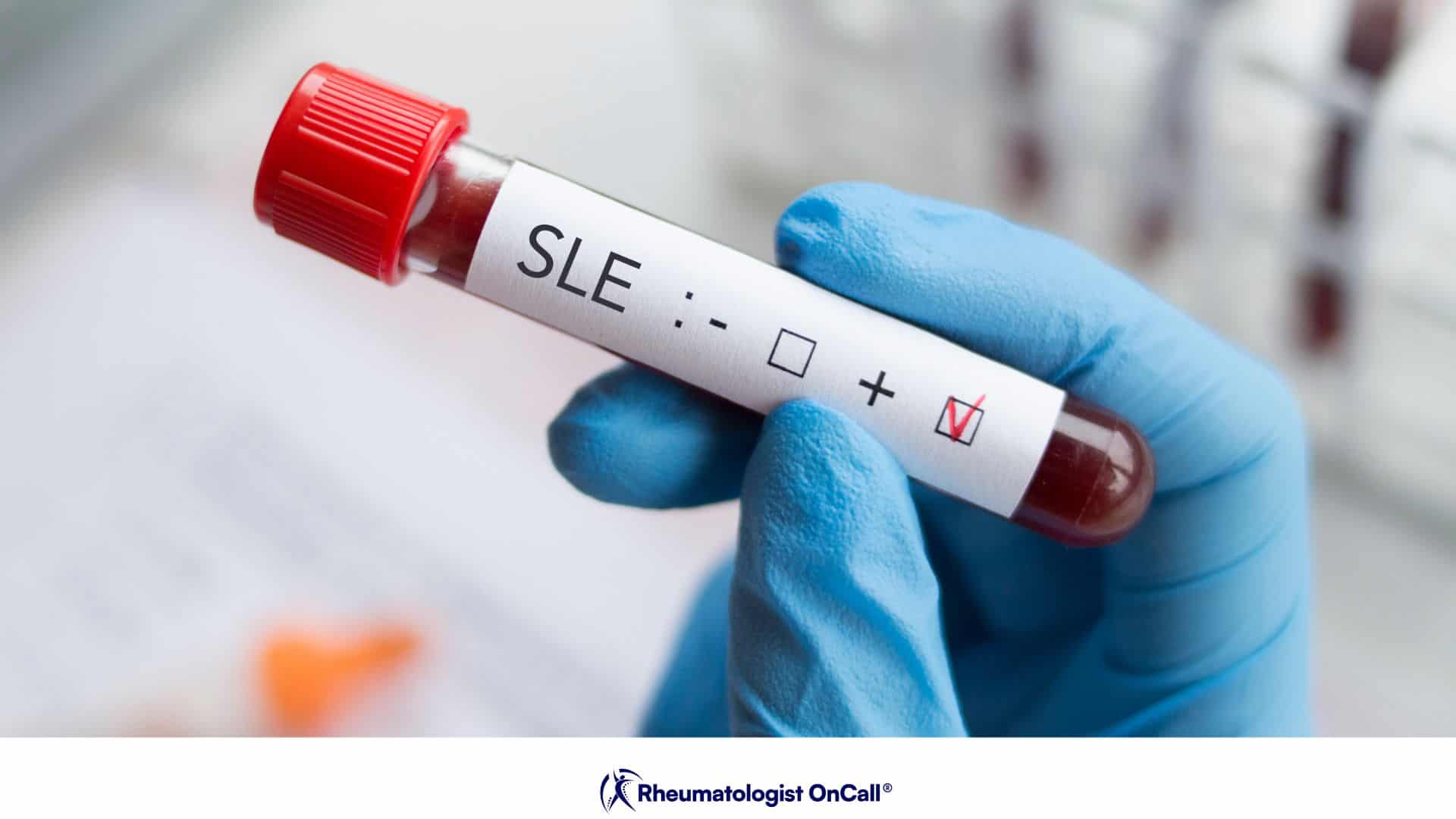
Lupus is a chronic autoimmune disease that can affect multiple organs, leading to a wide range of symptoms that vary from person to person. Finding a lupus specialist is critical for accurate diagnosis and effective treatment. A systemic condition, lupus can impact joints, skin, kidneys, heart, lungs, brain, and blood vessels. Due to its diverse symptoms, patients often go undiagnosed or misdiagnosed for years.
If you or a loved one is experiencing unexplained symptoms, you may wonder: Who is the right lupus specialist to treat this complex condition? A skilled lupus specialist can implement a tailored treatment plan to manage symptoms and improve quality of life.
What Are the Symptoms of Lupus?
Lupus symptoms can vary widely from person to person and could be mild or severe, appear suddenly or develop gradually, and may come and go in episodes known as flares. The most common symptoms include:
1. Fatigue
Extreme tiredness is one of the most common and debilitating symptoms of lupus, affecting over 80% of patients. Even with rest, many people feel exhausted and unable to maintain their usual activities. This is a sign of inflammation as your immune system fights against your body.
2. Joint Pain and Swelling
Lupus can cause arthritis-like symptoms, leading to stiff, painful, and swollen joints. It most commonly affects the fingers, wrists, and knees. Lupus may mimic rheumatoid arthritis. However, lupus-related joint pain is often less destructive to the joints but can still be severe.
3. Skin Rashes and Sensitivity to Sunlight
A butterfly-shaped rash across the cheeks and nose is a hallmark of lupus, but skin rashes can appear anywhere. Another common sign is photosensitivity (sensitivity to sunlight), which can cause severe skin burning with minimal sun exposure.
4. Kidney Problems (Lupus Nephritis)
Up to 50% of people with lupus develop lupus nephritis, a serious complication that can lead to kidney damage or failure. Selena Gomez, the famous singer and actress, has suffered from lupus nephritis that required a kidney transplantation. Symptoms may include swelling in the legs and feet, high blood pressure, and foamy urine, a sign of protein loss.
5. Chest Pain and Heart Inflammation
Lupus can cause inflammation of the heart (pericarditis) and lungs (pleuritis), leading to sharp chest pain that worsens with deep breathing. Many young female patients note the chest pain that comes and goes, and it could be quite debilitating. Long-term inflammation may also increase the risk of atherosclerosis, heart disease, and strokes in young female patients.
6. Neurological Symptoms (Brain and Nervous System Involvement)
Lupus can affect the brain and nerves, leading to:
- Headaches and migraines
- Memory problems and confusion (“lupus fog”)
- Dizziness and vision changes
- Seizures or even strokes in severe cases
One of my young patients with lupus has developed inflammation of the brain that caused him to lose consciousness, and he was admitted to the Intensive Care unit. He eventually recovered completely after he received an aggressive immunosuppressive treatment.
7. Blood Disorders and Immune System Issues
Lupus can impact blood cells, leading to:
- Anemia (low red blood cells), causing fatigue and weakness
- Low white blood cells increase the risk of infections
- Low platelets, leading to easy bruising or bleeding
- Increased risk of blood clots (antiphospholipid syndrome)
8. Digestive and Gastrointestinal Symptoms
Some people with lupus experience nausea, acid reflux, and abdominal pain due to inflammation affecting the digestive tract.
9. Hair Loss
Lupus can cause hair thinning or patchy hair loss, sometimes worsening during flares. It can be very hard and frustrating for a young female to lose her hair, but it could be one of the first signs of lupus.
10. Mouth and Nose Ulcers
Painful mouth and nose sores are another common symptom of lupus, often occurring during flares.
Who Is the Right Lupus Specialist?
Because lupus affects multiple organs, a lupus specialist, typically a rheumatologist, is essential. Rheumatologists have extensive training in autoimmune diseases like lupus, rheumatoid arthritis, and Sjögren’s syndrome. Depending on organ involvement, a lupus specialist may coordinate with:
- Nephrologist – If lupus affects the kidneys (lupus nephritis)
- Dermatologist – For lupus-related skin rashes and hair loss
- Cardiologist – If lupus causes heart inflammation or blood clots
- Neurologist – For nervous system symptoms like seizures, headaches, or brain fog
- Hematologist – If lupus affects blood cells, leading to anemia or clotting disorders
Why a Rheumatologist Is the Ideal Lupus Specialist
A rheumatologist plays a central role in managing lupus by accurately diagnosing the disease through specialized blood tests (such as ANA, anti-dsDNA, and anti-Sm antibodies) and a thorough clinical evaluation of the signs and symptoms. They monitor disease progression over time, adjusting treatment as needed to prevent flares and complications. Rheumatologists are comfortable prescribing medications like hydroxychloroquine, corticosteroids, immunosuppressants, and biologics to help control symptoms and minimize inflammation. In our practice, Rheumatologist OnCall, patients receive more than just medication, as we provide them actionable steps that will address their lifestyle, including diet, exercise, and stress management.
At Rheumatologist OnCall, we believe in a comprehensive, patient-centered approach that integrates:
- Expert virtual care – Access a lupus specialist without long wait times
- Holistic support – We combine standard treatment with nutrition, exercise, and supplement guidance
- Ongoing monitoring – Stay connected with a doctor who understands your unique lupus journey
- Convenience and flexibility – Get expert advice from the comfort of your home
Using actionable steps, we help patients get into remission faster and remain under good control for an extended period of time. At Rheumatologist OnCall, we’re committed to helping people with lupus live healthier, more fulfilling lives. If you’re looking for a specialist who truly understands lupus, we’re here to support you every step of the way.
Take the Next Step with a Lupus Specialist
If you or a loved one has been struggling with lupus symptoms, it’s essential to seek expert care. Whether you’re newly diagnosed or looking for a second opinion, finding the right specialist can make all the difference. Schedule a consultation today to take control of your health. You deserve care that fits your needs—wherever you are.
Author: Diana Girnita, MD, PhD, FACR
Rheumatologist
Last Updated on May 19, 2025
References
- https://www.the-rheumatologist.org/article/case-review-lupus-patient-acute-disseminating-encephalomyelitis/
- https://www.mayoclinic.org/diseases-conditions/lupus/symptoms-causes/syc-20365789
- https://my.clevelandclinic.org/health/diseases/21809-lupus-nephritis
- https://www.lupus.org/resources/what-is-lupus-nephritis
- https://www.niams.nih.gov/health-topics/lupus/diagnosis-treatment-and-steps-to-take
Author

Frequent asked questions
What is a lupus specialist?
A lupus specialist is usually a rheumatologist, a doctor trained to diagnose and treat autoimmune diseases such as lupus, rheumatoid arthritis, and Sjögren’s disease. Because lupus can affect multiple organs, a rheumatologist plays a central role in diagnosis, treatment planning, medication management, flare prevention, and long-term monitoring.
Why should I see a rheumatologist for lupus?
A rheumatologist is the ideal lupus specialist because lupus is a complex autoimmune disease that can affect the joints, skin, kidneys, heart, lungs, brain, blood vessels, and blood cells. A rheumatologist can interpret symptoms, order specialized blood tests, monitor disease activity, adjust treatment, and coordinate care with other specialists when needed.
What symptoms may suggest lupus?
Lupus symptoms may include severe fatigue, joint pain and swelling, skin rashes, sensitivity to sunlight, kidney problems, chest pain, heart or lung inflammation, headaches, memory problems, brain fog, blood disorders, digestive symptoms, hair loss, and mouth or nose ulcers. Symptoms can vary from person to person and may come and go in flares.
Why is lupus often difficult to diagnose?
Lupus can be difficult to diagnose because it may affect many organs and its symptoms can look like other conditions. Patients may experience fatigue, joint pain, rashes, chest pain, kidney issues, neurological symptoms, or blood abnormalities, and the pattern can vary widely. A lupus specialist can evaluate the full picture rather than relying on one symptom or one test.
Can lupus cause joint pain and swelling?
Yes. Lupus can cause arthritis-like symptoms, including stiff, painful, and swollen joints. It commonly affects the fingers, wrists, and knees. Lupus-related joint pain can mimic rheumatoid arthritis, although it is often less destructive to the joints.
Can lupus affect the kidneys?
Yes. Lupus can affect the kidneys, a serious complication called lupus nephritis. Symptoms may include swelling in the legs and feet, high blood pressure, and foamy urine, which can be a sign of protein loss. Kidney involvement should be evaluated and monitored carefully.
Can lupus cause chest pain?
Yes. Lupus can cause inflammation around the heart or lungs, including pericarditis and pleuritis. This may lead to sharp chest pain that worsens with deep breathing. Long-term inflammation may also increase the risk of heart disease and stroke, especially in young female patients.
Can lupus affect the brain or nervous system?
Yes. Lupus can affect the brain and nervous system. Symptoms may include headaches, migraines, memory problems, confusion, lupus fog, dizziness, vision changes, seizures, or even strokes in severe cases. Neurological symptoms should be evaluated by a medical professional.
Can lupus affect blood cells?
Yes. Lupus can affect blood cells and may cause anemia, low white blood cells, low platelets, easy bruising or bleeding, increased infection risk, and an increased risk of blood clots, including antiphospholipid syndrome.
What tests can a lupus specialist order?
A lupus specialist may order specialized blood tests such as ANA, anti-dsDNA antibodies, and anti-Sm antibodies, along with other tests depending on symptoms and organ involvement. The diagnosis is based on clinical evaluation, medical history, symptoms, physical findings, and lab results together.
What medications are used to treat lupus?
Lupus treatment may include medications such as hydroxychloroquine, corticosteroids, immunosuppressants, and biologics. A rheumatologist can help decide which treatment is appropriate based on disease activity, symptoms, organ involvement, flare risk, and the patient’s overall health.
Which other specialists may be involved in lupus care?
Depending on organ involvement, lupus care may include a nephrologist for kidney disease, dermatologist for skin rashes and hair loss, cardiologist for heart inflammation or blood clots, neurologist for nervous system symptoms, and hematologist for anemia, low blood cells, or clotting disorders. The rheumatologist usually coordinates the overall lupus care plan.
Can I see a lupus specialist online?
Yes. Rheumatologist OnCall offers expert virtual care, allowing eligible patients to access a lupus specialist without long wait times. Telehealth can be useful for reviewing symptoms, lab results, medications, treatment concerns, and next steps from the comfort of home.
Can I get a second opinion for lupus?
Yes. The page encourages patients who are newly diagnosed, struggling with symptoms, or looking for a second opinion to seek expert lupus care. A lupus specialist can review your diagnosis, symptoms, labs, treatment plan, and organ involvement to help clarify the next steps.
Can Rheumatologist OnCall help with lupus?
Yes. Rheumatologist OnCall provides lupus specialist care through a comprehensive, patient-centered approach. The practice combines standard treatment with nutrition, exercise, supplement guidance, ongoing monitoring, telehealth convenience, and support designed to help patients improve disease control and quality of life.